

Introduction
When it comes to major sporting events like the Olympics, UEFA Championships, and FIFA World Cup, the complexity of managing transport services can be overwhelming. The sheer volume of attendees, the need for seamless coordination, and the high stakes involved demand meticulous planning and execution. Traditional methods of staff training and tabletop exercises have their limitations, which is why Virtual Reality (VR) is emerging as a game-changer in this field. Here's a detailed look at how VR is transforming the preparation and management of transport services for these global events.
The Challenges of Managing Transport Services
Managing transport services during major sporting events involves:
- - Coordinating multiple modes of transport (buses, trains, taxis, rideshares).
- - Ensuring punctuality and efficiency despite high traffic volumes.
- - Addressing security concerns and emergency situations.
- - Ensuring accessibility for all attendees, including those with disabilities.
Traditional training and planning methods often fall short in providing realistic scenarios and the flexibility to adapt to unforeseen challenges. This is where VR steps in.
VR in Staff Training
Immersive Learning Environments
VR creates highly realistic and immersive environments that simulate actual event conditions. Trainees can navigate through these virtual scenarios, experiencing the challenges they will face in real life. For instance, transport coordinators can practice managing crowds, dealing with delays, and rerouting vehicles in case of emergencies.
Scenario-Based Training
VR allows for the creation of numerous "what-if" scenarios, providing staff with the experience of handling unexpected situations. This could include sudden weather changes, security threats, or technical failures. By exposing trainees to these scenarios in a controlled environment, they develop problem-solving skills and confidence that are crucial during the actual event.
Enhanced Engagement and Retention
Studies have shown that VR training significantly improves engagement and information retention. The interactive nature of VR makes learning more engaging compared to traditional methods, such as reading manuals or attending lectures. This increased engagement leads to better retention of information and higher preparedness levels among staff.
VR in Tabletop Exercises
Real-Time Collaboration
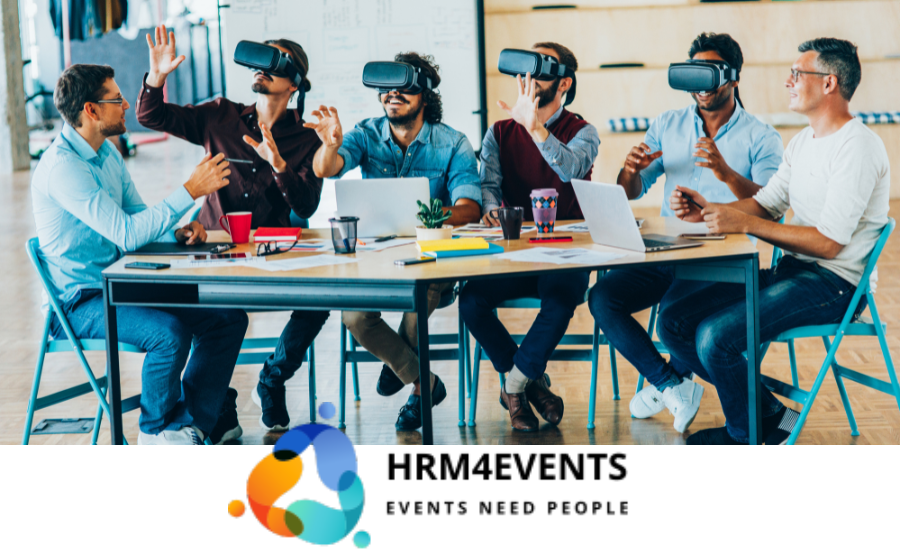
Tabletop exercises involve multiple stakeholders, including event organizers, transport authorities, security personnel, and emergency services. VR enables these stakeholders to collaborate in a shared virtual space, even if they are geographically dispersed. This real-time collaboration enhances the planning and decision-making processes.
Dynamic Simulation
Unlike static tabletop exercises, VR allows for dynamic simulations that evolve based on the decisions made by participants. This creates a more realistic training environment where participants can see the immediate consequences of their actions and adjust their strategies accordingly. It also helps in identifying potential bottlenecks and areas for improvement.
Performance Analysis
VR systems can track and record every action taken during the exercise. This data provides valuable insights into the performance of each participant and the effectiveness of the overall plan. Post-exercise analysis can identify strengths and weaknesses, helping organizers refine their strategies and improve future training sessions.
Case Studies
Tokyo 2020 Olympics
The Tokyo 2020 Olympics utilized VR to train transport staff on managing the complex transit systems and ensuring smooth operations despite the high influx of attendees. VR simulations included managing crowd control at busy train stations and coordinating shuttle services between venues.
UEFA European Championship 2024
For the upcoming UEFA European Championship, VR is being used to conduct extensive tabletop exercises involving multiple cities and transport networks. This helps in harmonizing the efforts of various local transport authorities and ensuring a seamless experience for fans traveling between match locations.
FIFA World Cup 2022
In preparation for the FIFA World Cup 2022 in Qatar, VR played a crucial role in training security personnel and transport coordinators. The simulations included handling large crowds, securing transport hubs, and efficiently directing traffic flow around stadiums and fan zones.
The Future of VR in Event Management
The use of VR in staff training and tabletop exercises for managing transport services is still in its early stages, but the potential is enormous. As technology advances, we can expect even more realistic simulations, better integration with real-time data, and broader adoption across various sectors of event management.
In conclusion, VR is revolutionizing the way we prepare for and manage transport services at major sporting events. By providing immersive, realistic, and dynamic training environments, VR ensures that staff and stakeholders are better equipped to handle the complexities and challenges of these global events. As we look to the future, the continued integration of VR into event management practices promises to enhance efficiency, safety, and overall attendee experience.